Maintaining your rental property is essential to ensure a safe and comfortable living environment for tenants, protect your investment, and comply with legal requirements. Proper maintenance involves various responsibilities that landlords must uphold, as well as ensuring that tenants fulfill their own obligations.
This article from Specialized Property Management Memphis outlines the key aspects of property maintenance, including the landlord’s duties, tenant responsibilities, and additional ways tenants can contribute to maintaining the property.
Landlord’s Property Maintenance Responsibilities
Landlords have several critical responsibilities when it comes to maintaining their rental properties. These responsibilities ensure that the property remains in good condition and meets all legal and safety standards.
Ensure Vital Services Are Functional
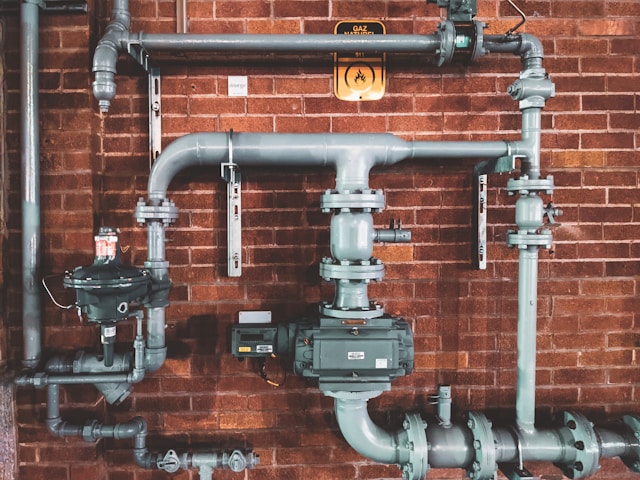
Landlords need to ensure that essential services such as electricity, heating, cooling, and gas are always in good working condition. Regular inspections and maintenance of HVAC systems, electrical wiring, and gas lines are necessary to prevent disruptions and ensure safety.
Maintain Water Supply
Providing a continuous supply of hot and cold running water is a fundamental responsibility. This includes maintaining the plumbing system, promptly addressing leaks or burst pipes, and ensuring water heaters function properly. A reliable water supply is essential for daily living, hygiene, and health.
Comply with Building Codes
It is vital to comply with local building codes and regulations. This includes meeting structural, electrical, and plumbing standards. Regular inspections help identify and resolve any code violations, ensuring the property is legally compliant and safe for tenants.
Provide Adequate Trash Receptacles
Providing appropriate trash and recycling bins is essential for maintaining cleanliness and hygiene. Landlords should ensure these receptacles are sufficient for the number of tenants and are emptied regularly to prevent overflow and pest infestations.
Maintain Common Areas
Common areas such as hallways, lobbies, and outdoor spaces should be regularly cleaned and well-maintained. This includes routine cleaning, repairing any damage, renovations, and ensuring that these areas are safe and accessible for all tenants.
Conduct Necessary Repairs
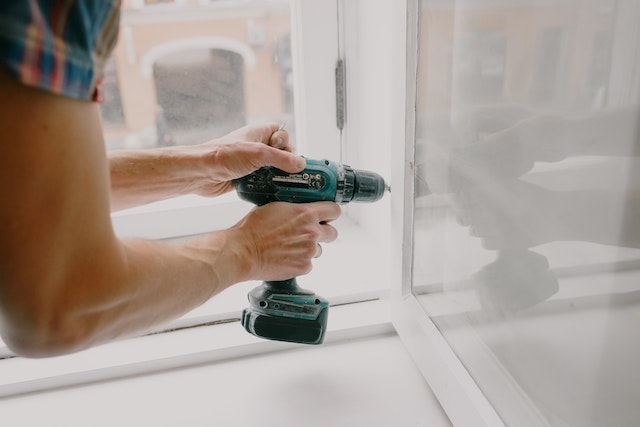
Promptly addressing and repairing any issues is crucial for maintaining the property’s condition and tenant satisfaction. This includes fixing leaks, repairing appliances, addressing structural damage, and ensuring all systems function properly.
Tenant’s Property Maintenance Responsibilities
Tenants also have specific responsibilities to help maintain the rental property. These responsibilities are typically outlined in the lease agreement and are essential for keeping the property in good condition.
Respect the Property
Tenants should treat the property with care and avoid causing damage beyond normal wear and tear. This includes:
- Avoid Damaging the Property: Tenants should not engage in activities that could damage walls, floors, fixtures, or any part of the property.
- Responsible Use of Landlord-Supplied Appliances: Tenants should use appliances provided by the landlord correctly and report any malfunctions or issues.
- Proper Use of Plumbing Fixtures: Timely reporting of leaks or blockages in any plumbing fixtures is essential to prevent water damage and maintain the integrity of the plumbing systems.
Keep the Property Safe
Tenants must ensure their unit is free of hazards. This includes keeping walkways clear of obstructions, using electrical outlets safely, and reporting any safety concerns to the landlord.
Keep the Unit Sanitary
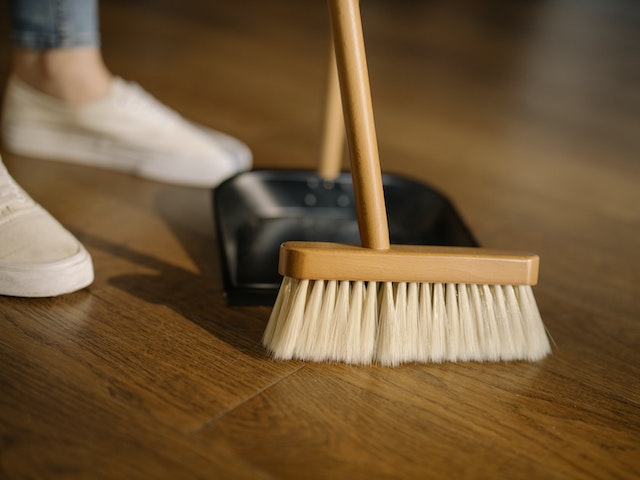
Maintaining cleanliness is vital to prevent health issues and pest infestations. Tenants should regularly clean their units, dispose of trash properly, and avoid creating conditions that attract pests.
Prevent Mold Growth
Tenants should take steps to prevent mold by ventilating bathrooms and kitchens, using exhaust fans, and promptly reporting any signs of mold or excessive moisture to the landlord.
Adhere to Building and Housing Codes
Tenants must comply with all relevant building and housing codes, including occupancy limits and restrictions on alterations to the property. This ensures the property remains safe and legally compliant.
Avoid Disturbing Lead Paint Hazards
As the property owner, you need to disclose the presence of lead paint and ask that tenants speak to you before making changes that could disrupt lead paint. In older buildings, tenants should avoid disturbing surfaces that may contain lead paint. This includes not sanding or scraping painted surfaces and reporting any peeling or chipping paint to the landlord immediately.
Additional Tenant Contributions to Property Maintenance
Beyond their legal responsibilities, tenants can contribute to maintaining the property in various ways, enhancing their living environment and helping landlords keep the property in good condition.
- Managing Garbage Disposal: Tenants should regularly dispose of trash and recyclables to prevent smells and pest problems. Properly sorting recyclables and ensuring garbage is placed in the correct bins helps maintain cleanliness and hygiene.
- Keeping Common Areas Clean: Tenants can help keep shared spaces tidy by cleaning up after themselves, not leaving personal items in common areas, and reporting any mess or damage they notice to the landlord.
- Reporting Issues Promptly: Promptly notifying the landlord of any issues, such as leaks, broken appliances, or structural damage, helps ensure problems are addressed before they get worse. This proactive communication can prevent minor issues from becoming major repairs.
- Performing Minor Repairs: Tenants can handle simple repairs like replacing light bulbs or tightening loose screws in cabinet handles. These small actions can significantly contribute to the overall upkeep of the property.
- Doing Seasonal Maintenance: Tenants can participate in seasonal tasks such as clearing snow from walkways in winter, raking leaves in autumn, and helping with garden upkeep in spring and summer. These contributions help maintain the property’s appearance and functionality throughout the year.
Prohibited Maintenance Requirements
Landlords must be aware of and avoid imposing illegal maintenance requirements on tenants. Tenants should not be required to perform tasks that compromise their safety, violate local laws, or exceed reasonable expectations outlined in the lease agreement.
For example, tenants should not be tasked with major repairs, structural maintenance, or any duties that pose significant risk or liability.
Bottom Line
Proper rental property maintenance involves a collaborative effort between landlords and tenants. Landlords are responsible for ensuring essential services are functional, adhering to building codes, and conducting necessary repairs. Tenants should respect the property, keep their units safe and sanitary, and avoid disturbing lead paint hazards.
It is crucial for landlords to understand the boundaries of tenant responsibilities and avoid imposing illegal maintenance requirements. Specialized Property Management Memphis can assist landlords in managing these maintenance responsibilities efficiently.
By providing professional services, we ensure that all aspects of property maintenance are handled effectively, from routine inspections and repairs to compliance with building codes and tenant communication. This support allows landlords to maintain their properties in excellent condition, ensuring tenant satisfaction and protecting their investment. Get in touch today!