
As a landlord, maintaining your property is essential, but so is knowing the difference between inevitable wear and tear and tenant-caused damage. Misunderstanding these can lead to unnecessary disputes and costs.
This guide will help you distinguish between normal, unavoidable aging and damage, so you can make fair and informed decisions regarding repairs, maintenance, and security deposits.
What is Normal Wear and Tear?
Normal wear and tear refers to the natural aging of a rental property as a result of regular daily use by tenants. It is an expected part of property ownership and management, and landlords should anticipate some minor deterioration over time.
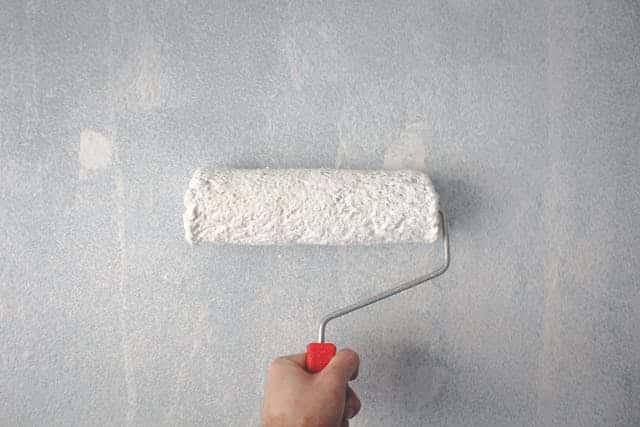
Importantly, normal wear and tear should not be confused with damage caused by negligence, accidents, or intentional misuse. The distinction between these two categories is crucial, as it determines who is responsible for repairs and whether costs can be deducted from a tenant’s security deposit.
Common Examples of Normal Wear and Tear in Rentals
To make things clearer, here are some typical examples of what landlords can expect as normal wear and tear in a rental property:
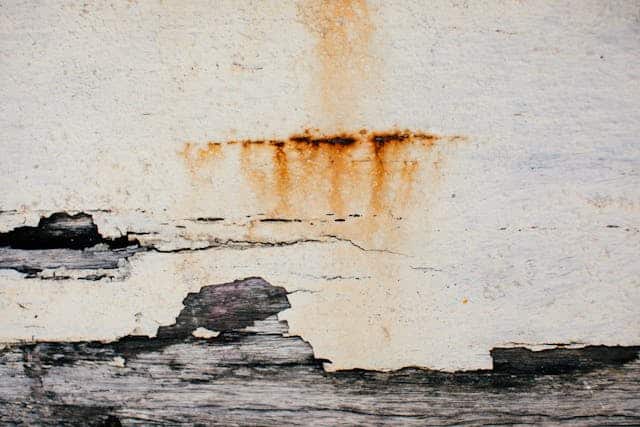
- Fading or Peeling Paint: Over time, exposure to sunlight, moisture, and everyday wear will cause paint to fade or peel. This is completely natural and doesn’t signal damage.
- Worn Carpets: In high-traffic areas such as hallways and entryways, carpets may flatten or develop minor stains. This is expected and not something landlords should charge tenants for.
- Minor Scratches on Flooring: Hard floors like wood or tile may develop small scratches or scuff marks from daily use. These imperfections are a part of normal living.
- Loose Door Handles: Over time, frequent use can cause door handles to loosen. This is considered a common wear-and-tear issue, not a sign of mistreatment.
- Worn or Frayed Upholstery: If your rental includes furniture, it may show some wear after being used by tenants. Slightly stretched or frayed fabric is a normal result of daily use.
- Aging Bathroom Fixtures: Faucets, showerheads, and other fixtures will naturally wear out or become tarnished over time due to regular use. This is expected and part of property upkeep.
Understanding these examples of normal wear and tear can help landlords make fair and balanced decisions when tenants move out, ensuring that the wear from normal daily living isn’t mistaken for damage.
What Constitutes Damage in a Rental Property?
While normal wear and tear is expected, damage is a different story. Damage is usually the result of tenant negligence, misuse, or accidents and goes beyond what’s considered standard aging. Damage often occurs suddenly and can require repairs or even replacement of property items.
Identifying damage and separating it from normal wear and tear is essential for maintaining your rental property and ensuring that tenants are held accountable for issues that aren’t part of everyday use.
Examples of Damage That Exceeds Normal Wear and Tear
Here are several examples of damage that go beyond what is considered normal wear and tear and may warrant deductions from a tenant’s security deposit:
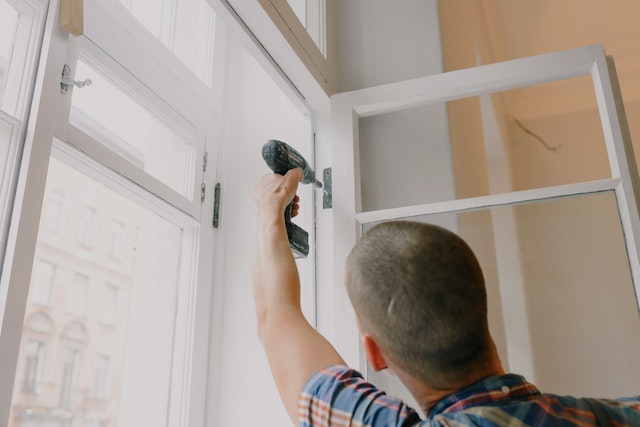
- Broken Windows: If windows are cracked or shattered due to rough handling or accidents, this is considered damage that the tenant is responsible for.
- Holes in Walls: Large holes from nails, screws, or aggressive actions such as punching a wall are not part of normal wear and tear. This damage requires repairs.
- Stained or Burned Carpeting: Major stains from spills, such as wine, bleach, or other substances, as well as burns from cigarettes or hot items, are considered unexpected damage.
- Damaged Appliances: Appliances that are broken due to misuse or neglect fall under the category of damage. For example, a refrigerator with broken shelves or a damaged washing machine would be considered tenant-caused damage.
- Broken Fixtures: Light fixtures, bathroom fixtures, or other permanent installations that are broken or removed by tenants without permission would also be classified as damage.
- Pet Damage: Damage caused by pets, such as scratched floors, chewed woodwork, or pet urine stains, does not count as normal wear and tear. This is a key point to notice for properties allowing pets.
- Water Damage: Water damage caused by tenant neglect, such as leaving windows open during rain or failing to report a leak, is considered damage that should be addressed by the tenant.
These examples show that while everyday wear is expected, landlords should not be held responsible for damage caused by careless or improper tenant behavior.
What Can Landlords Deduct from the Security Deposit?
When a tenant moves out, landlords can’t deduct for normal wear and tear. However, they can deduct for damage that goes beyond it. Here’s what can typically be deducted from a security deposit:
- Excessive Cleaning Fees: If the property is left in a very dirty condition that goes beyond normal living, landlords can charge for professional cleaning services. This might include heavy grime, stained carpets, or neglected cleaning that requires significant work.
- Repair Costs for Damaged Items: Any damage beyond normal wear and tear—such as broken windows, large holes in walls, or damaged appliances—can be deducted from the security deposit. These are damages that result from tenant negligence or improper use of the property.
- Replacing Missing Items: If the rental agreement included items like furniture, appliances, or other amenities that are missing at the end of the lease, the cost to replace them can be deducted from the security deposit.
Bottom Line
Understanding the difference between normal wear and tear and actual damage is key to protecting your property and ensuring a smooth relationship with tenants.
By knowing what to expect, you can avoid unnecessary repairs and make fair decisions about security deposits. If managing these details feels overwhelming, consider working with a professional. Specialized Property Management Memphis is here to help!
With years of experience, we take the stress out of property maintenance and tenant management, so you can focus on what matters most.
Let us handle the details—reach out to Specialized Property Management Memphis today for expert support!