Key Takeaways
- Clear expectations prevent common tenant issues like missed rent and property damage.
- A strong lease and open communication are essential from day one.
- Specialized Property Management Memphis helps landlords establish and enforce expectations with ease.
When a landlord and tenant start off on the wrong foot, it often leads to communication breakdowns, missed payments, and property damage. Many of these problems can be traced back to one root cause: unclear expectations.
Setting expectations early is not just a good practice, it is essential to long-term success. A clear understanding between landlords and tenants helps prevent confusion, protects the property, and promotes a professional relationship.
Are you confident your tenants know exactly what you expect from them? If not, now is the time to fix that. Whether you manage one property or several, being proactive in outlining responsibilities and rules will save you time, money, and stress. To help you get started, Specialized Property Management Memphis put together this detailed guide for landlords.
How to Establish Clear Guidelines and Communication with New Tenants
Creating a good relationship with your tenants begins before they even move in. As a landlord, it is your responsibility to lay out the rules, explain your expectations, and create an open line of communication. Here are the key areas where clear expectations make all the difference.
1. Start With a Strong Lease Agreement
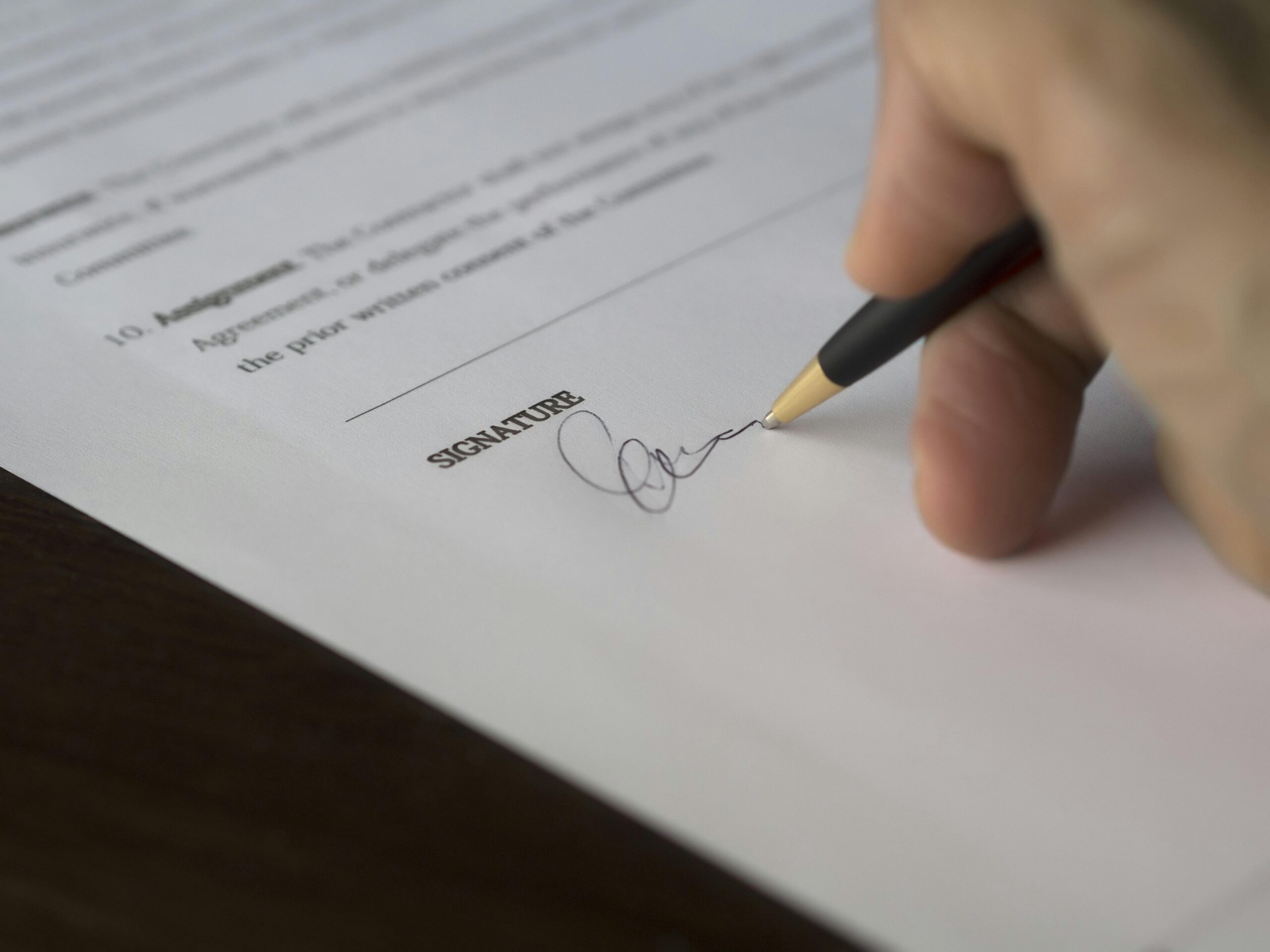
The lease agreement is the foundation of your landlord-tenant relationship. It should outline all the rules, terms, and conditions of the tenancy in clear, simple language. Avoid vague language and legal jargon. Be specific about rent due dates, late fees, pet policies, maintenance responsibilities, and the process for renewing or terminating the lease.
Make sure the lease terms include:
● The monthly rent amount and the due date.
● The amount of the security deposit.
● Who is responsible for utilities and lawn care.
● Guest policies and quiet hours.
● Maintenance request procedures.
● Rules on alterations to the property.
Go over the lease in person if possible, and encourage tenants to ask questions before signing. This will not only help you understand your cash flow, but it’ll help keep your tenants happy.
2. Set Communication Standards
Clear and consistent tenant communication is key to avoiding misunderstandings. Let your tenants know how they should contact you, and during what hours. If you prefer email or a tenant portal over phone calls or texts, make that clear. Also, explain how soon they can expect a response to general questions and maintenance requests.
Provide tenants with:
● Your contact information.
● Emergency contact procedures.
● Office hours or availability schedule.
● A clear outline of what counts as an emergency (for example, a gas leak or flooding).
By setting communication standards early, tenants will know how and when to reach out appropriately.
3. Define Maintenance Responsibilities
Tenants need to understand which maintenance tasks are their responsibility and which fall under the landlord’s duties. For example, are they expected to change air filters regularly? Should they mow the lawn? Clarify this upfront. Also, explain how to report issues, the process for handling repairs, and how long non-emergency repairs typically take.
Include details like:
● How to submit a maintenance request.
● What counts as routine maintenance versus an emergency or any concerns for safety standards.
● The tenant’s responsibilities (e.g., replacing light bulbs, unclogging toilets).
● Consequences for failing to report damage promptly.

When everyone knows what they are responsible for, it helps prevent disputes and protects the property’s condition.
4. Discuss Rent Payment Expectations
One of the most common issues landlords face is late or missed rent payments. To avoid confusion, clearly explain when rent is due, how it should be paid, and what penalties apply if it is late.
Cover these key points:
● The due date each month.
● Accepted payment methods (online portal, check, etc.).
● Any grace period allowed.
● Late fees and when they apply.
● What happens if rent is not paid on time or at all.
Putting this in writing and reviewing it with the tenant helps minimize the risk of late payments.
5. Explain Move-In and Move-Out Procedures
Give tenants a checklist or overview of what you expect at move-in and move-out. This includes the condition of the property, cleaning standards, and what they must do to receive their security deposit back.
Make sure tenants know:
● How to document the condition of the property at move-in.
● What is required before moving out (e.g., cleaning, trash removal).
● How to return keys and any equipment provided.
● The timeline for return of the security deposit.
● Any charges they may face for damage beyond normal wear and tear.
Being upfront about move-in and move-out standards can prevent frustration on both sides. Attracting long-term tenants doesn’t just minimize vacancy rates but lessens the hassle of moving.
6. Set Rules for Behavior and Property Use
Landlords should clearly communicate rules related to noise, smoking, parking, pets, and guests. These rules help maintain order and prevent complaints from neighbors or other tenants.

Some things to cover include:
● Quiet hours (especially in multi-unit properties).
● Where tenants can park.
● Whether smoking is allowed indoors or outdoors.
● Pet policies, including breed and weight restrictions.
● Limits on the number of guests or how long they can stay.
Tenants who understand these rules are more likely to respect the property and avoid violations.
7. Keep Written Records
Any time you discuss rules, make updates to the lease, or handle a complaint, it is important to keep a written record. Document all communications, agreements, and notices. This can protect you legally and provide evidence if disputes arise later.
Use written communication when possible, and follow up verbal conversations with a quick summary email. Keep digital or physical copies of all signed documents and records of tenant issues.
Bottom Line
Setting clear expectations with new tenants is one of the most important steps you can take as a landlord. It helps prevent common issues like missed rent, property damage, and miscommunication.
By creating a clear lease, explaining your rules, and communicating consistently, you set the tone for a professional relationship that benefits both you and your tenant.
Specialized Property Management Memphis understands that managing rental properties comes with many challenges. We help landlords set and maintain clear expectations with tenants from the beginning, handling everything from lease creation and enforcement to maintenance coordination and rent collection.
Our team ensures you stay in control while avoiding the stress of daily management. Contact Specialized Property Management Memphis today!