Key Takeaways
- Regular Inspections & Maintenance: Conducting routine inspections and maintaining key systems (electrical, plumbing, HVAC, fire safety) ensures tenant safety, prevents hazards, and keeps the property in compliance with legal standards.
- Compliance & Documentation: Understanding and adhering to federal, state, and local rental property safety regulations, while keeping thorough records of inspections and certifications, helps avoid legal issues and ensures a safe living environment.
- Professional Property Management: Hiring a property management company enhances safety compliance, streamlines maintenance, and ensures effective tenant screening, fostering a secure and well-maintained rental property.
Ensuring your rental property meets safety standards is not only a legal obligation but also a fundamental aspect of providing a secure and comfortable living environment for your tenants. Adherence to safety protocols safeguards your investment and fosters positive landlord-tenant relationships, reducing potential liabilities.
Whether you’re a first-time landlord or a seasoned one, safety standards are always evolving and are the key to a successful rental. Use this comprehensive guide from our team at Specialized Property Management Memphis to identify the key areas to assess and maintain to ensure your rental property complies with essential safety standards.
Understanding Legal Obligations
Begin by familiarizing yourself with federal, state, and local regulations governing rental property safety. These laws stipulate minimum requirements for habitability, covering aspects such as structural integrity, sanitation, and the provision of essential utilities like water, electricity, and heating.
Compliance with these regulations is mandatory and serves as the foundation for your property’s safety standards.
Conducting Regular Property Inspections
Routine inspections are vital in identifying and addressing potential safety hazards before they escalate. Engage qualified professionals to evaluate critical systems, including electrical wiring, plumbing, and HVAC units.
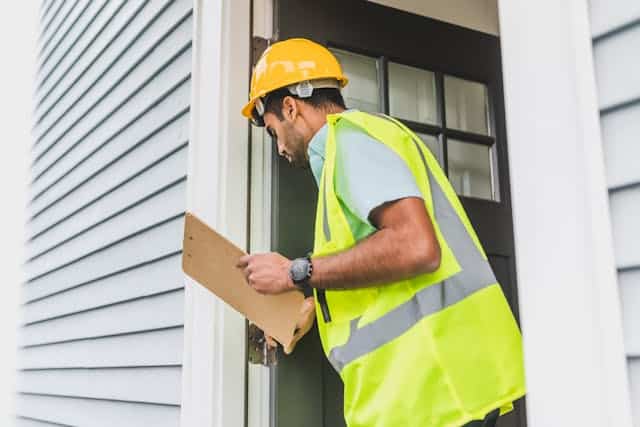
Regular assessments ensure these systems function correctly and comply with current safety codes.
Electrical System Safety
Ensure that all electrical installations are up to code and free from hazards. Replace or repair frayed wiring, malfunctioning outlets, or outdated panels promptly. Regular inspections can prevent electrical fires and ensure tenant safety.
Plumbing Integrity
Regularly inspect plumbing systems for leaks, corrosion, or blockages. Proper maintenance prevents water damage, mold growth, and ensures the availability of clean water, contributing to a healthy living environment.
HVAC Maintenance
Ensure heating, ventilation, and air conditioning systems are functioning efficiently. Regular servicing maintains air quality and provides a comfortable atmosphere for tenants, reducing health risks associated with poor ventilation.
Fire Safety Measures
Implementing comprehensive fire safety protocols is crucial. Install smoke detectors in each bedroom and on every floor, testing them monthly to ensure functionality.
Provide accessible fire extinguishers in key areas, such as kitchens and hallways. Develop and communicate a clear fire evacuation plan, ensuring all exits are unobstructed and easily accessible.
Structural Integrity
Regularly assess the property’s structural components, including the foundation, roofing, walls, and flooring. Address cracks, leaks, or signs of deterioration promptly to prevent accidents and maintain the building’s stability.
Environmental Hazard Management
Identify and mitigate environmental hazards that could jeopardize tenant health.
Mold and Pest Control
Promptly address moisture issues to prevent mold growth, which can cause respiratory problems. Implement regular pest control measures to eliminate infestations that could harm tenants’ health.
Lead and Asbestos
For properties built before the late 1970s, test for lead-based paint and asbestos. Engage certified professionals for removal or containment to comply with health regulations and protect tenants from exposure.
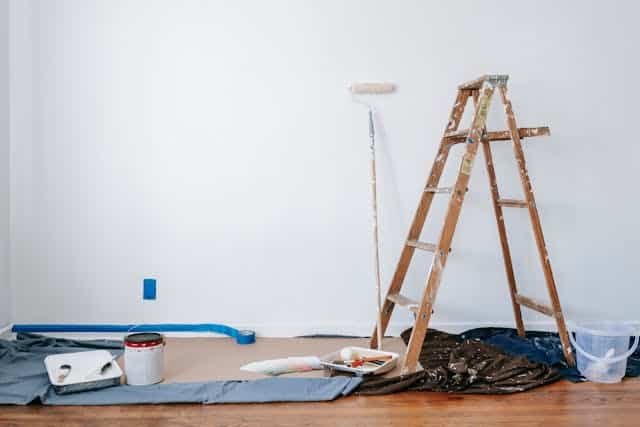
If you allow your tenants to paint your property, make sure you comply with any rules that have to do with painting over lead-based paint.
Safety Features and Accessibility
Equip your property with essential safety features and ensure accessibility for all tenants.
- Adequate Lighting: Ensure all areas, especially entrances, stairwells, and parking lots, are well-lit to prevent accidents and deter criminal activity.
- Handrails and Guardrails: Install sturdy handrails on staircases and guardrails on elevated areas to prevent falls, enhancing tenant safety.
- Accessibility Accommodations: Comply with the Americans with Disabilities Act (ADA) by providing necessary accommodations, such as ramps and widened doorways, to ensure accessibility for all tenants.
- Emergency Preparedness: Prepare your property and tenants for emergencies to minimize risks and ensure swift responses.
- Emergency Contact Information: Provide tenants with a list of emergency contacts, including maintenance personnel and local emergency services, ensuring they know whom to reach during urgent situations.
- First-Aid Supplies: Equip the property with accessible first-aid kits, stocked with essential medical supplies to address minor injuries promptly.
- Tenant Education: Educate tenants on safety protocols and their role in maintaining a secure environment.
- Safety Guidelines: Provide tenants with guidelines on operating appliances safely, reporting maintenance issues, and understanding emergency procedures to foster a culture of safety.
- Regular Communication: Maintain open lines of communication with tenants, encouraging them to report hazards or concerns promptly, allowing for swift resolution and continuous safety improvements.
- Documentation and Compliance: Maintain thorough records of all safety-related activities to demonstrate compliance and facilitate efficient property management.
- Inspection Records: Document all inspections, maintenance, and repairs meticulously, providing a clear history of property upkeep and compliance efforts and help calculate your ROI.
- Compliance Certifications: Obtain and display necessary certifications, such as gas safety records or occupancy permits, to validate adherence to safety standards and boost tenant confidence.
Benefits of Hiring a Professional Property Management Company
Engaging a professional property management company can significantly enhance the safety and overall management of your rental property.
Expertise in Legal Compliance
Property management companies possess in-depth knowledge of federal, state, and local regulations, ensuring your property complies with all legal requirements and avoiding potential fines or legal disputes.
Efficient Maintenance and Repairs
Professional property managers have established relationships with reliable contractors and service providers, facilitating prompt and cost-effective maintenance and repairs, thereby maintaining property safety and tenant satisfaction.
Regular Property Inspections
They conduct routine property inspections, identifying and addressing safety hazards proactively, which helps in maintaining a secure living environment and preserving the property’s value.

It also helps identify any damage beyond normal wear-and-tear.
Tenant Screening and Relations
Experienced property managers implement thorough tenant screening processes, selecting responsible individuals who are likely to adhere to property rules and maintain the premises, contributing to overall safety and harmony.
Financial Management
They handle rent collection and financial record-keeping efficiently, ensuring funds are available for necessary safety upgrades and maintenance, thereby enhancing the property’s safety standards.
Incorporating a professional property management company into your rental business strategy not only streamlines operations but also ensures that safety standards are consistently met, providing peace of mind to both landlords and tenants.
Bottom Line
Ensuring your rental property meets safety standards is not just a regulatory requirement but a fundamental responsibility that protects both your tenants and your investment.
By conducting regular inspections, maintaining essential safety systems, and addressing potential hazards proactively, you create a secure and comfortable living environment.
Partnering with a professional property management company further enhances safety compliance, streamlines property maintenance, and ensures your rental remains a safe and attractive option for tenants. Prioritizing safety benefits everyone involved, fostering trust and long-term tenant satisfaction.
If you need assistance, reach out to Specialized Property Management Memphis.