Maintaining a rental property involves a lot of decision-making, especially when it comes to tenant customization requests. One common question landlords face is whether to allow tenants to paint the walls of their rental property. While it may seem like a minor issue, this decision can have significant implications for the property’s upkeep, tenant satisfaction, and overall value.
On one hand, granting tenants the freedom to paint can help them feel more at home, potentially leading to longer leases and better tenant relationships. On the other hand, it opens the door to potential challenges, including mismatched colors, poor-quality work, and additional costs when restoring the property. Weighing the pros and cons is essential before making a policy decision.
Allowing tenants to paint is not a one-size-fits-all decision. Factors like the type of property, target tenant demographic, and maintenance budget play a crucial role. For example, properties that cater to long-term families might benefit from some personalization options, while high-turnover units may require stricter guidelines to keep costs in check.
Taking time to evaluate these factors helps you make an informed choice that aligns with your overall property management strategy. In this article, Specialized Property Management Memphis will discuss the pros and cons of letting tenants paint your rental property.
Weighing the Pros and Cons of Tenant Painting
Impact on Property Maintenance
Allowing tenants to paint can affect the condition of the walls, depending on their painting skills and the quality of materials used. Poorly executed paint jobs may result in uneven surfaces, drips, or stains that require professional correction. Additionally, frequent repainting can cause wear and tear on the walls, potentially reducing their lifespan.
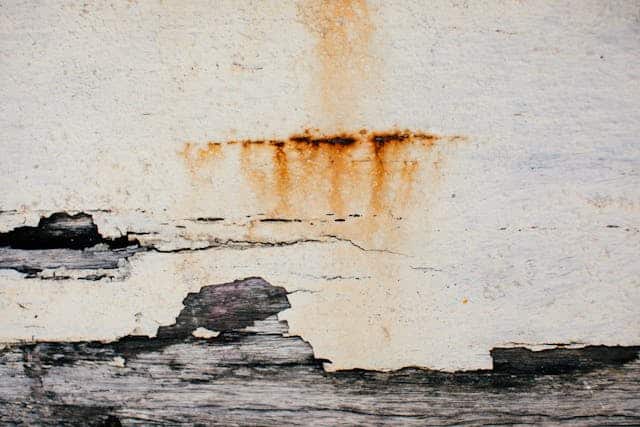
Paint quality and application techniques matter significantly. Tenants who purchase low-grade paint or fail to prepare surfaces properly might leave behind residue, peeling paint, or inconsistencies that can worsen over time. As a landlord, these issues may require additional investment in professional repairs after the tenant vacates.
Tenant Satisfaction and Retention
Tenants who are allowed to customize their living spaces often feel more comfortable and attached to the property. This sense of personalization can lead to longer tenancy periods, saving you the time and expense of finding new renters. However, it’s important to set clear boundaries to ensure that any changes align with the property’s long-term maintenance goals.
Happy tenants who feel invested in their living space are more likely to treat the property with care. Even small allowances, like letting them choose approved colors, can make them feel valued. This can result in fewer disputes and a more positive relationship with your renters.
Restoration Costs
If a tenant paints the property in colors that are difficult to neutralize, you may face increased costs when restoring the unit for the next occupant. Dark or bold colors typically require multiple coats of primer and paint to cover, which can be time-consuming and expensive.
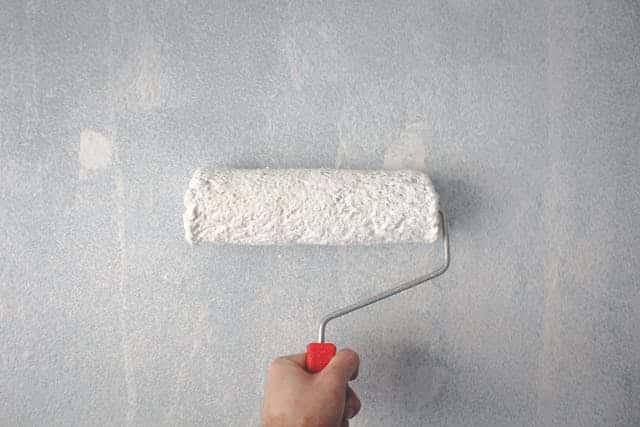
Restoration costs can also include labor fees if you need to hire professionals. Without a clear policy, landlords risk losing control over the time and money spent restoring the property to its original condition. These costs should be weighed against any potential benefits of allowing customization.
Creating Guidelines for Tenant Painting
Pre-Approval Process
Require tenants to seek approval before painting. This allows you to vet their color choices and recommend neutral shades that are easier to restore.
Setting Quality Standards
Specify that painting must meet professional standards, even if tenants do it themselves. Clear expectations about proper preparation, application, and cleanup can help ensure satisfactory results.
Including a Reversion Clause
Add a clause in the lease agreement requiring tenants to return the walls to their original color before moving out. This shifts the responsibility of repainting onto the tenant, reducing the landlord’s financial burden.
Offering Paint Credits
Provide tenants with a credit for specific paint brands or pre-approved colors. Controlling the materials used ensures quality and simplifies restoration.
By establishing these rules upfront, you can maintain control over the property’s appearance while allowing tenants some creative freedom.
Alternatives to Tenant Painting
If you prefer not to allow unrestricted painting, there are other ways to accommodate tenants’ desire for personalization:
Accent Walls
Let tenants paint a single accent wall instead of the entire unit. This compromise reduces restoration efforts while still giving tenants a sense of ownership.
Temporary Wallpaper
Suggest peel-and-stick wallpaper as an alternative.

It’s easy to remove without damaging the walls, providing a temporary but impactful way for tenants to personalize their space.
Pre-Painted Options
Offer a selection of pre-approved colors and let tenants choose from those options. This keeps the overall look consistent and simplifies repainting between tenants.
These alternatives provide flexibility while preserving the property’s long-term appeal.
Ensuring Compliance
Clear communication and detailed lease agreements are vital for managing tenant painting requests. Include the following terms in your lease:
- Pre-approval requirements for paint colors and plans
- Standards for workmanship and materials
- Responsibility for restoring the property to its original state
Regular inspections can also help you monitor the property and address any unauthorized painting before it becomes a larger issue. Inspections serve as a proactive measure to ensure tenants follow your guidelines.
Making the Right Choice
Deciding whether to allow tenants to paint your property isn’t a one-size-fits-all decision. Consider factors like the property type, target tenant demographic, and your maintenance budget. For example, family-oriented homes may benefit from greater flexibility, while high-turnover units might require stricter guidelines to control costs.
Balancing tenant satisfaction with property upkeep is key. Setting clear policies, offering alternatives, and maintaining open communication can create a harmonious living environment that benefits tenants and landlords.
Bottom Line
Specialized Property Management Memphis can help you navigate tenant requests and maintain high property standards. From drafting comprehensive lease agreements to ensuring compliance, we’re here to make property management seamless. Contact us today to learn how we can enhance tenant satisfaction and protect your investment!