Are you concerned about the safety of your property and the well-being of your residents? As a landlord, protecting your investment goes beyond simple repairs and maintenance; it’s about creating a secure environment that fosters peace of mind for both you and your residents.
A safe home not only enhances tenant satisfaction but also preserves the value of your property, ensuring that your investment thrives in the long run. This article offers practical tips to help you safeguard your home and investment, allowing you to focus on what truly matters building a thriving rental business and happy residents.
Guardians of Your Investment: 8 Safety Strategies
Here are eight essential tips to help you keep your home and investment safe:
1. Install a Robust Security System
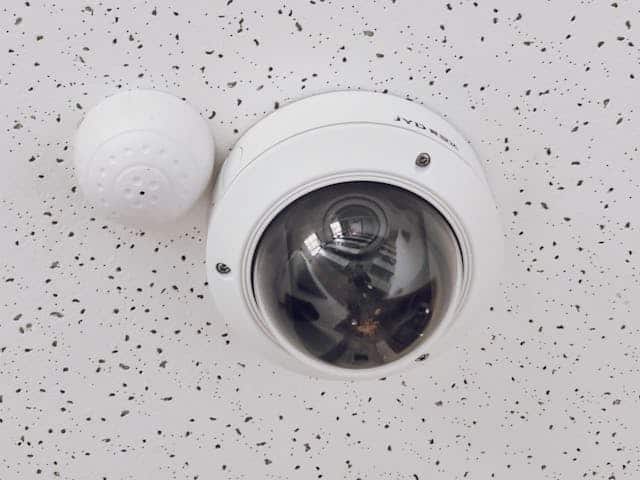
Investing in a comprehensive security system is one of the best ways to safeguard your property. Choose a system that includes high-definition cameras strategically placed around entry points and vulnerable areas. Opt for systems with remote access, allowing you to monitor your property in real time from your smartphone or computer.

Look for security features such as motion detection and alarms that activate when unauthorized access is detected. Some advanced systems offer facial recognition for added protection. Regularly test your system to ensure it’s fully functional.
2. Conduct Regular Maintenance Checks
Preventing safety issues before they become costly problems requires proactive maintenance. Schedule regular property inspections to check locks on windows and doors, fire alarms, and carbon monoxide detectors. These devices should be tested monthly, with batteries replaced at least annually.
Also, inspect plumbing and electrical systems for signs of wear that could lead to hazards. Keeping your property well-maintained not only ensures safety but also demonstrates your commitment to tenant well-being, strengthening tenant satisfaction.
3. Improve Lighting for Safety
Good lighting is an effective deterrent to crime. Ensure all entry points, including garages, are well-lit. Install motion-activated lights in dark areas like walkways and parking lots to catch intruders off guard.
Consider using energy-efficient LED lights for longer-lasting brightness. Encouraging tenants to keep porch lights on at night also enhances security. A well-lit property makes it safer and more attractive to potential tenants.
4. Secure Entry Points
The doors and windows of your property are its first line of defense, so it’s essential to ensure they are secure. Start by upgrading the locks on all doors, opting for deadbolts for added strength. Consider installing smart locks that offer keyless entry options, allowing you to manage access remotely and easily change codes when needed.
For windows, ensure they have functioning locks and consider installing window sensors that alert you to any unauthorized openings. Additionally, reinforce sliding glass doors with a security bar or a dowel rod in the track to prevent easy access. By making entry points as secure as possible, you significantly reduce the likelihood of break-ins and enhance the safety of your residents.
5. Establish Emergency Procedures
Clear emergency procedures are crucial for tenant safety. Create a guide outlining steps to take in case of fire, severe weather, or security breaches, and share it with all tenants.
Make sure they know where emergency exits and assembly points are located, and consider conducting drills to familiarize everyone with the process. Provide contact numbers for local emergency services, property management, and maintenance. Preparing tenants to handle emergencies helps ensure their safety and attracts long-term tenants.
6. Foster a Neighborhood Watch Program
Encouraging tenants to participate in a neighborhood watch program can improve the overall safety of your property. A community-focused approach to security fosters collaboration between residents to monitor suspicious activity and share updates.
Set up a communication channel, such as a group chat, to quickly relay safety concerns. Neighborhood watch programs create a stronger sense of community, which can lead to a safer and more engaged living environment.
7. Invest in Proper Insurance
Having the right insurance coverage is a critical step in protecting your investment. Ensure you have comprehensive property insurance that covers natural disasters, theft, and other potential risks. Review your policy regularly to keep it up to date with any changes to your property.

Consider adding landlord liability insurance to protect yourself against claims in case a tenant or visitor is injured on the property. This coverage can help with legal fees and medical expenses, giving you peace of mind in the face of unexpected events.
8. Utilize Smart Landscaping
Strategic landscaping can enhance the security of your property. Keep shrubs, trees, and other vegetation well-trimmed to avoid obstructing visibility around entry points and common areas. Overgrown bushes can provide hiding spots for potential intruders.
Consider planting thorny or dense shrubbery beneath windows to deter unauthorized access. Keep walkways and entrances clear of debris to prevent accidents and ensure easy movement in emergencies. Well-maintained landscaping not only improves aesthetics but also promotes a safer environment.
Bottom Line
Securing your property is essential to protecting both your investment and the well-being of your tenants. By implementing these strategies—such as installing a strong security system, improving lighting, and conducting regular maintenance—you can create a safer, more attractive property.
At Specialized Property Management Memphis, we understand the unique challenges landlords face when it comes to property management. Let us help you enhance your property’s security with tailored solutions. Contact us today to discuss how we can safeguard your investment and provide a secure environment for your tenants.